
Organic vs. Conventional Skincare: What Austin Dermatologists Need to Know


Understanding the Basics
As the skincare industry continues to evolve, dermatologists in Austin are increasingly faced with questions about the differences between organic and conventional skincare products. Understanding these differences is crucial for providing informed recommendations to patients seeking healthier and more effective skincare solutions.

What Defines Organic Skincare?
Organic skincare products are crafted using natural ingredients that are grown without synthetic fertilizers, pesticides, or genetically modified organisms. These products often contain plant-based ingredients, essential oils, and botanicals. The absence of harmful chemicals makes them appealing to consumers looking for cleaner and more sustainable options.
However, it's essential to note that the term "organic" can vary widely depending on the certifying body. Dermatologists should encourage patients to look for certifications from reputable organizations to ensure authenticity.
Exploring Conventional Skincare
Conventional skincare products, on the other hand, often include synthetic ingredients, preservatives, and fragrances. While these components can enhance a product's longevity and stability, they may also cause irritation or adverse reactions in some individuals.
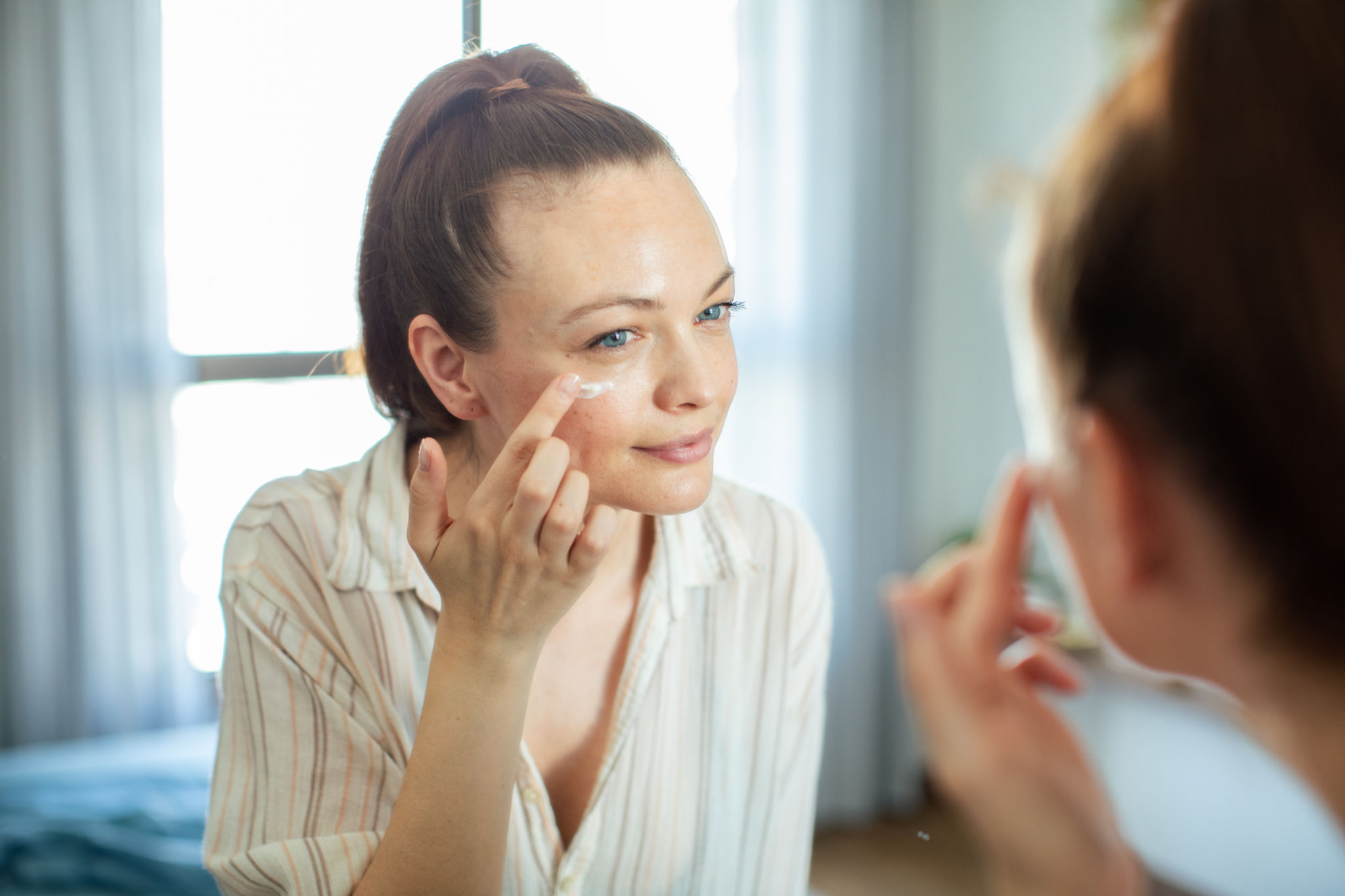
One advantage of conventional products is their extensive research and development, which often leads to innovative solutions for various skin concerns. These products can provide targeted treatments, such as anti-aging or acne solutions, that are backed by scientific evidence.
Comparing Effectiveness and Safety
When it comes to effectiveness, both organic and conventional skincare have their merits. Organic products are praised for their gentle, skin-friendly formulations, while conventional products may offer more potent, targeted results due to advanced chemical formulations.
- Organic products are generally safer for sensitive skin.
- Conventional products may offer quicker results for specific skin issues.
- Both types can be used in a complementary skincare routine.
Environmental and Ethical Considerations
Another factor that influences consumer choice is the environmental impact of skincare products. Organic skincare is often seen as more environmentally friendly, as it uses sustainable farming practices and biodegradable packaging.
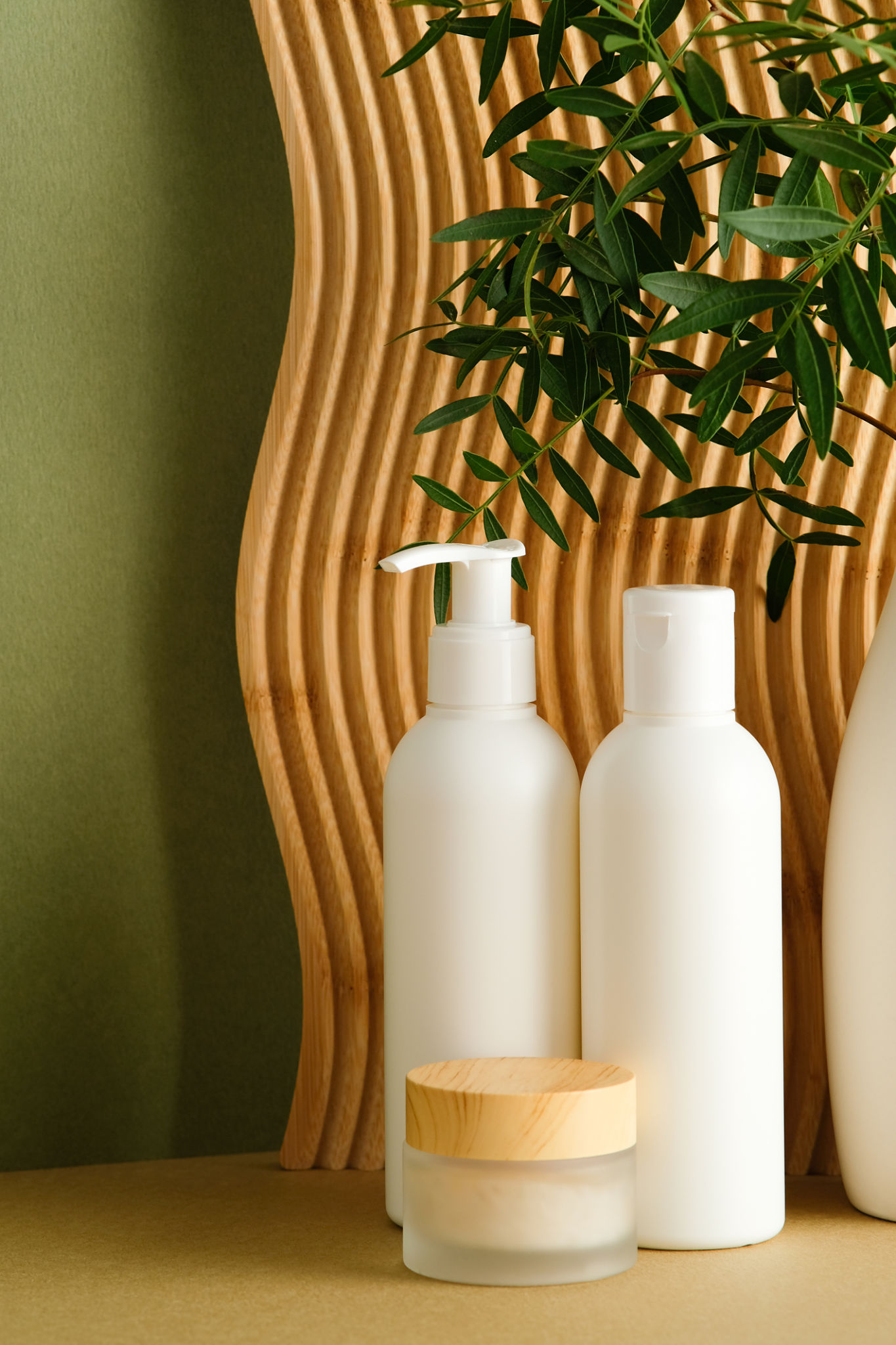
Conventional skincare manufacturers are increasingly taking steps to reduce their environmental footprint by adopting greener practices and using recyclable materials. Dermatologists can guide patients in making choices that align with their values and environmental concerns.
Making Informed Recommendations
For dermatologists in Austin, the key to guiding patients lies in understanding individual skin types and concerns. Recommending a blend of organic and conventional products tailored to specific needs can offer the best of both worlds.
- Assess the patient's skin type and concerns.
- Consider any allergies or sensitivities.
- Discuss lifestyle and environmental values.
By staying informed about the latest developments in skincare, dermatologists can empower their patients to make choices that promote healthy, radiant skin.